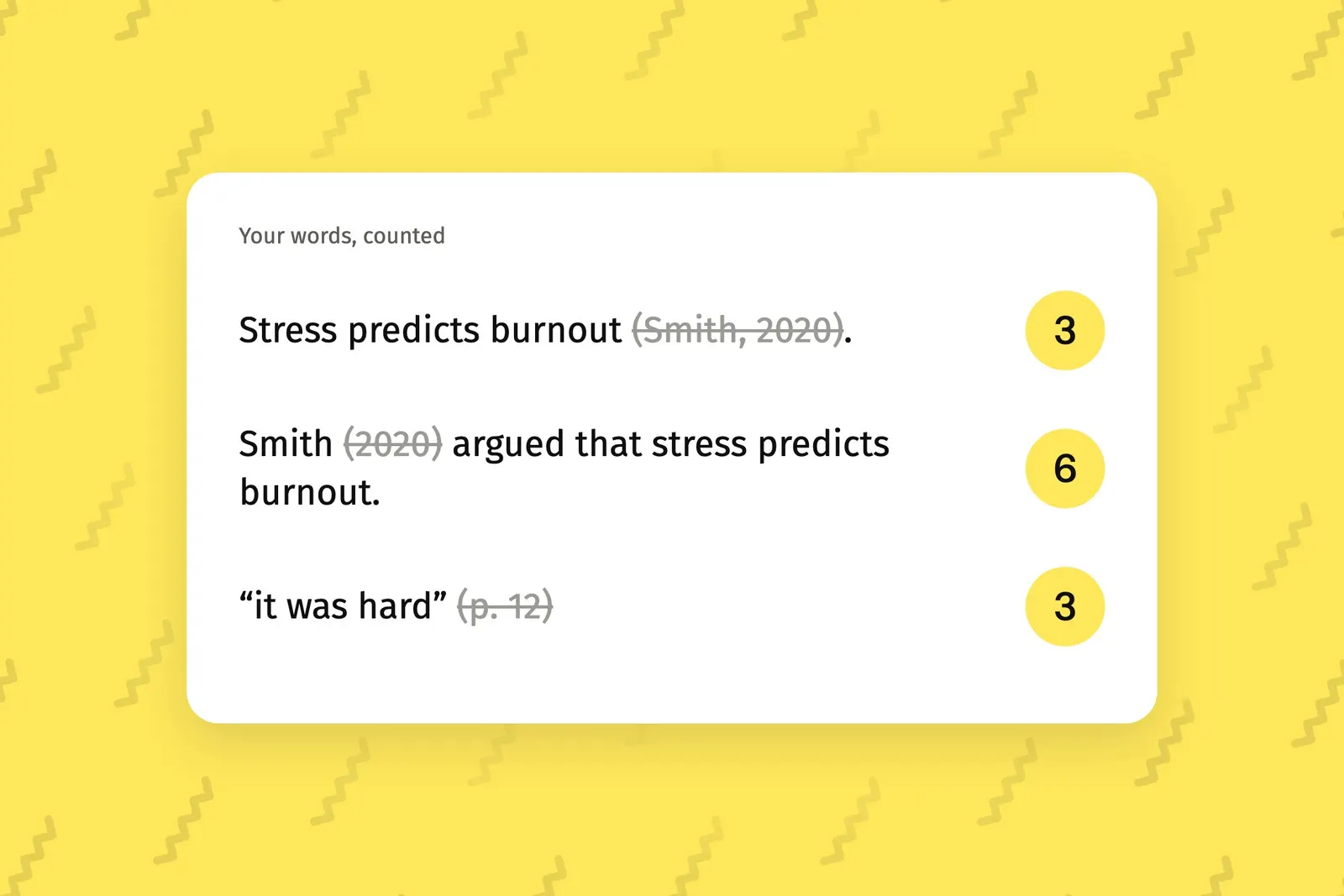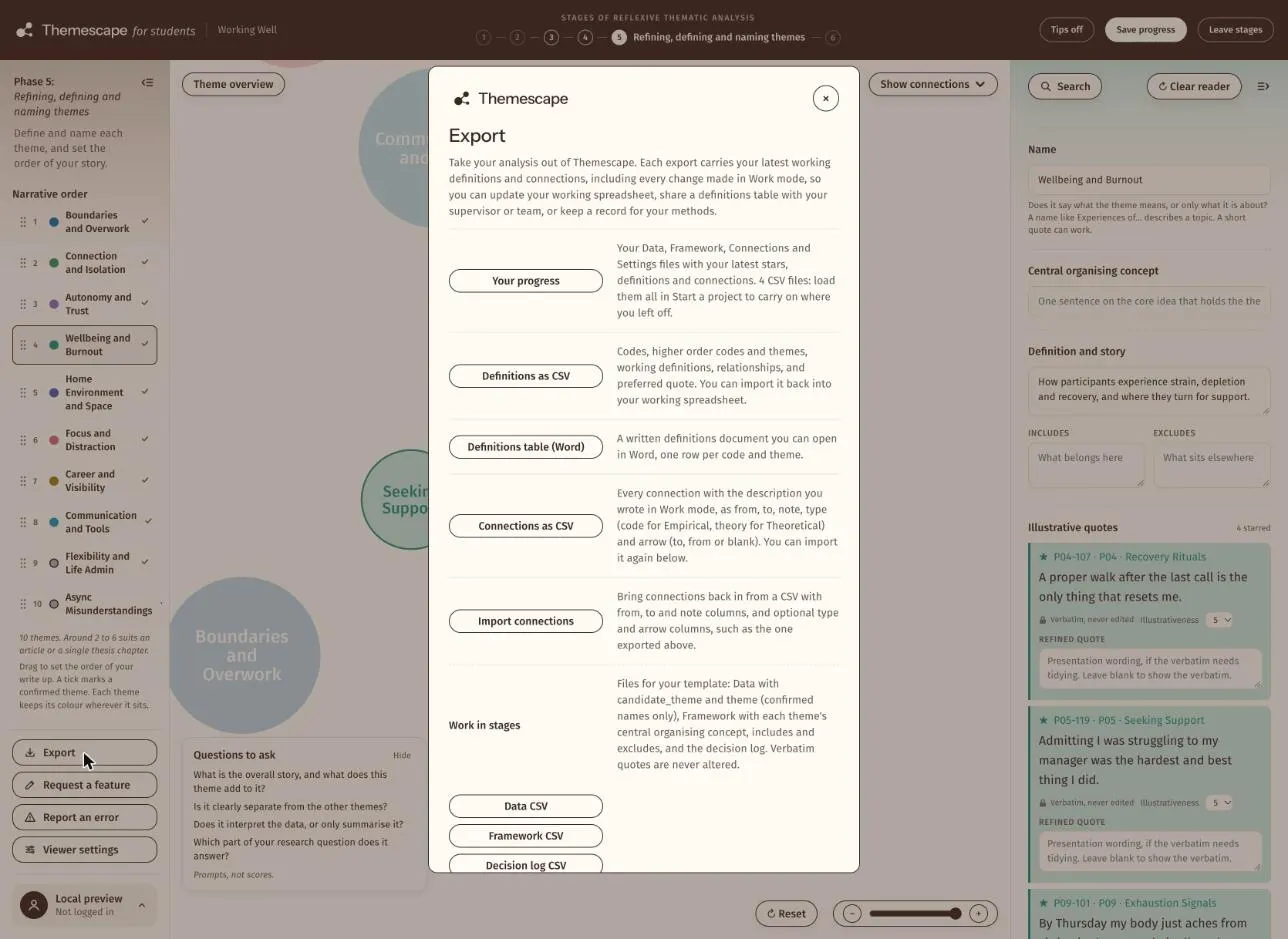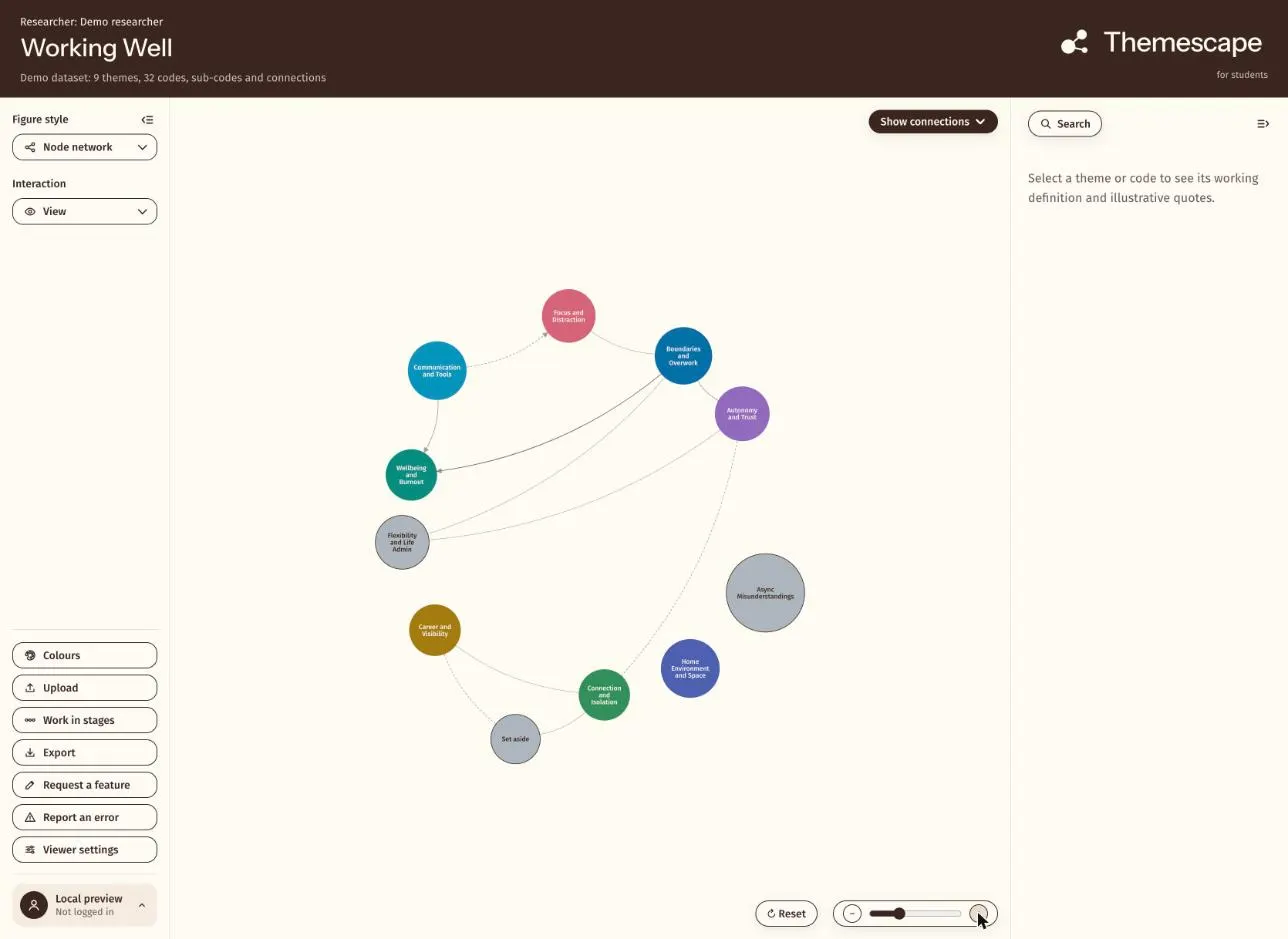
A word limit looks like a simple number. What it covers is set by whoever set the limit, and the rules differ between universities, courses and journals.
What is usually asked
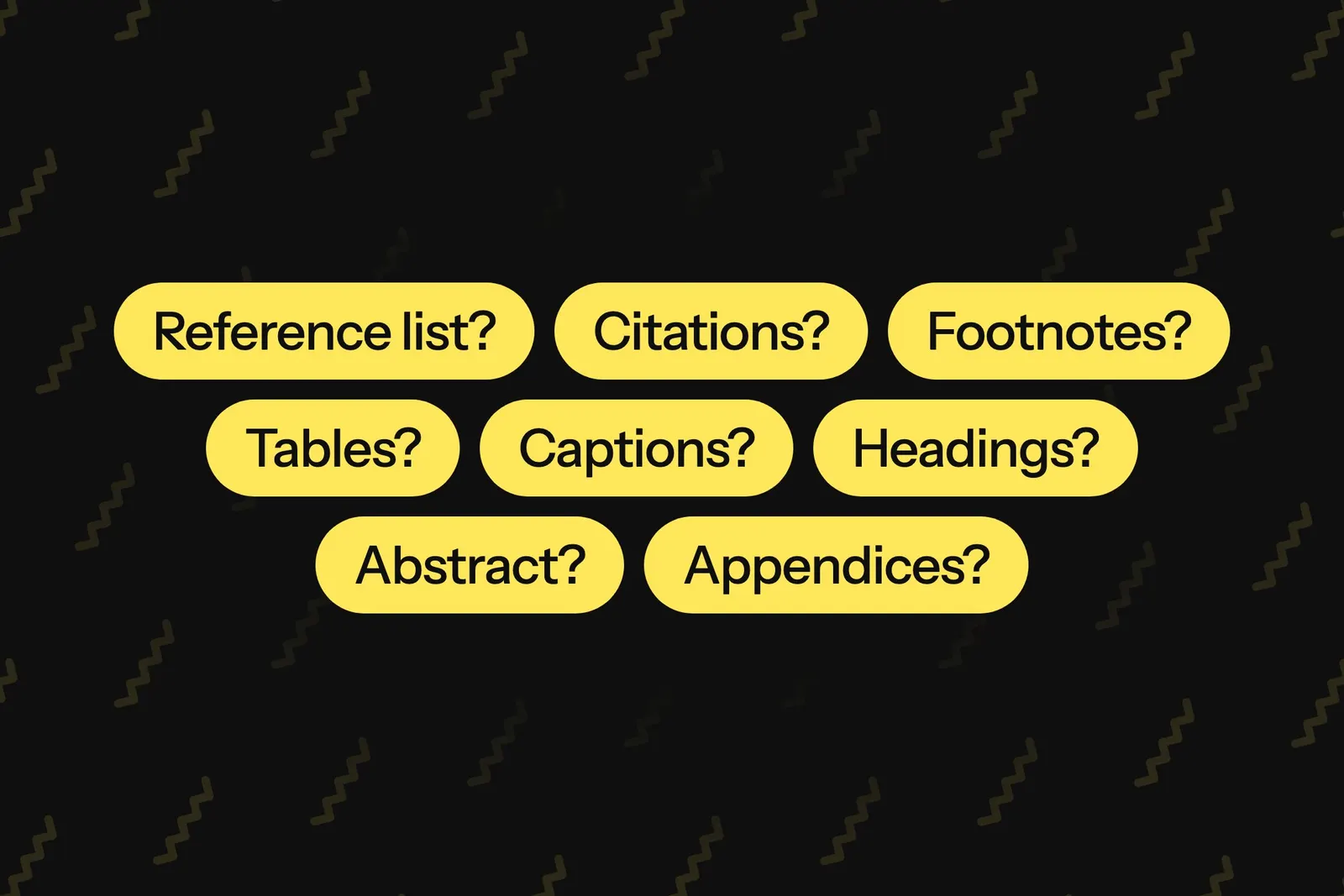
Most guides answer the same questions. Does the reference list count? Do in-text citations count? Do footnotes, tables, figure captions, headings, the abstract and appendices count? Is there a margin above or below the limit, and is there a penalty for going over?
There is no single answer to any of these. One course may count everything between the title and the reference list. Another may leave out citations, tables and captions.
Where to find your rule
Look in the assessment instructions first, then the course guide, then the department or faculty handbook. For a thesis, the university’s thesis regulations set the limit and say what it includes. For a journal, the instructions for authors do.
If the instructions do not say, ask the person who will mark or review the work, and keep their answer.
Why the difference matters
If citations do not count toward your limit, the count your word processor gives you is too high, and you may cut writing you could have kept. If they do count, a tool that leaves them out will tell you that you have room you do not have.
Once you know your rule, count the same way every time. WordStride counts the words you wrote and leaves your citations and reference list out, which suits limits that exclude them.